Manufacturing Waste Reduction Strategies That Work
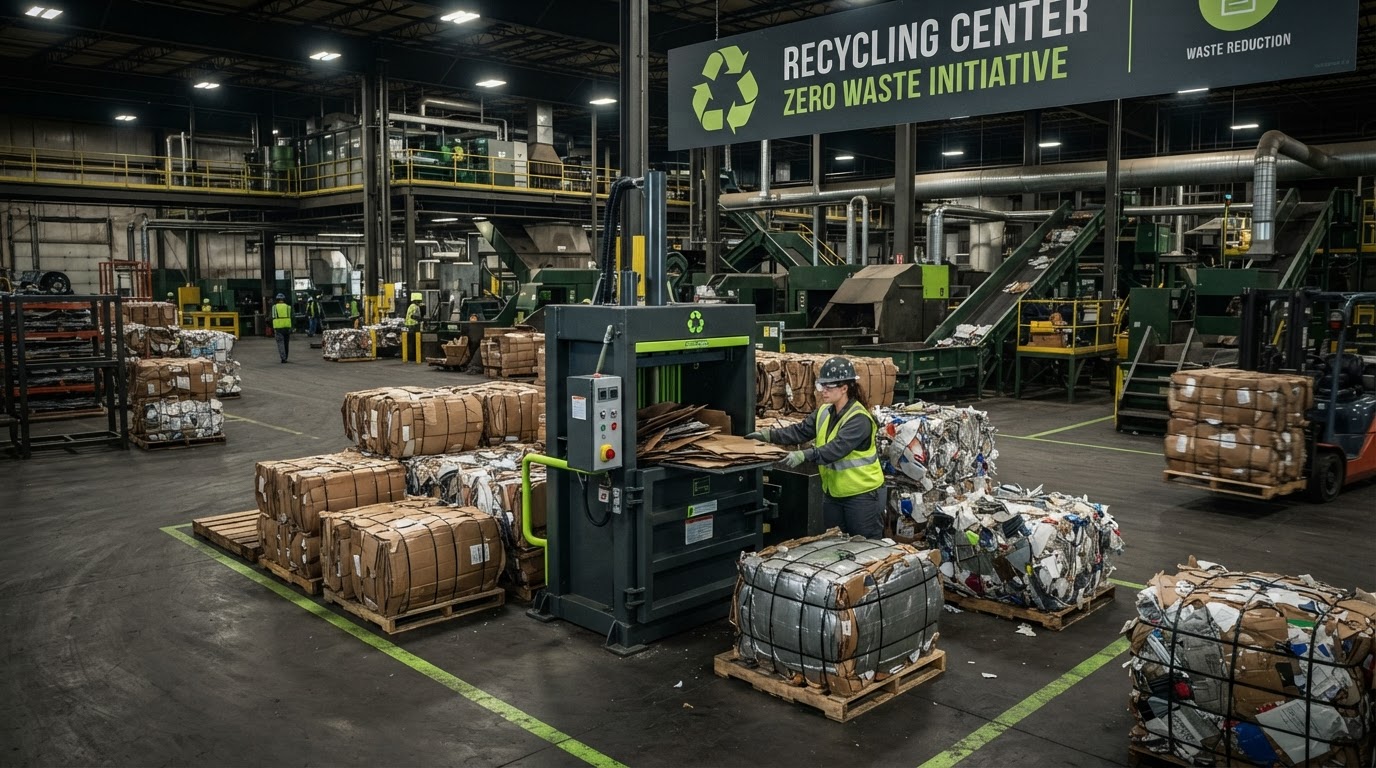
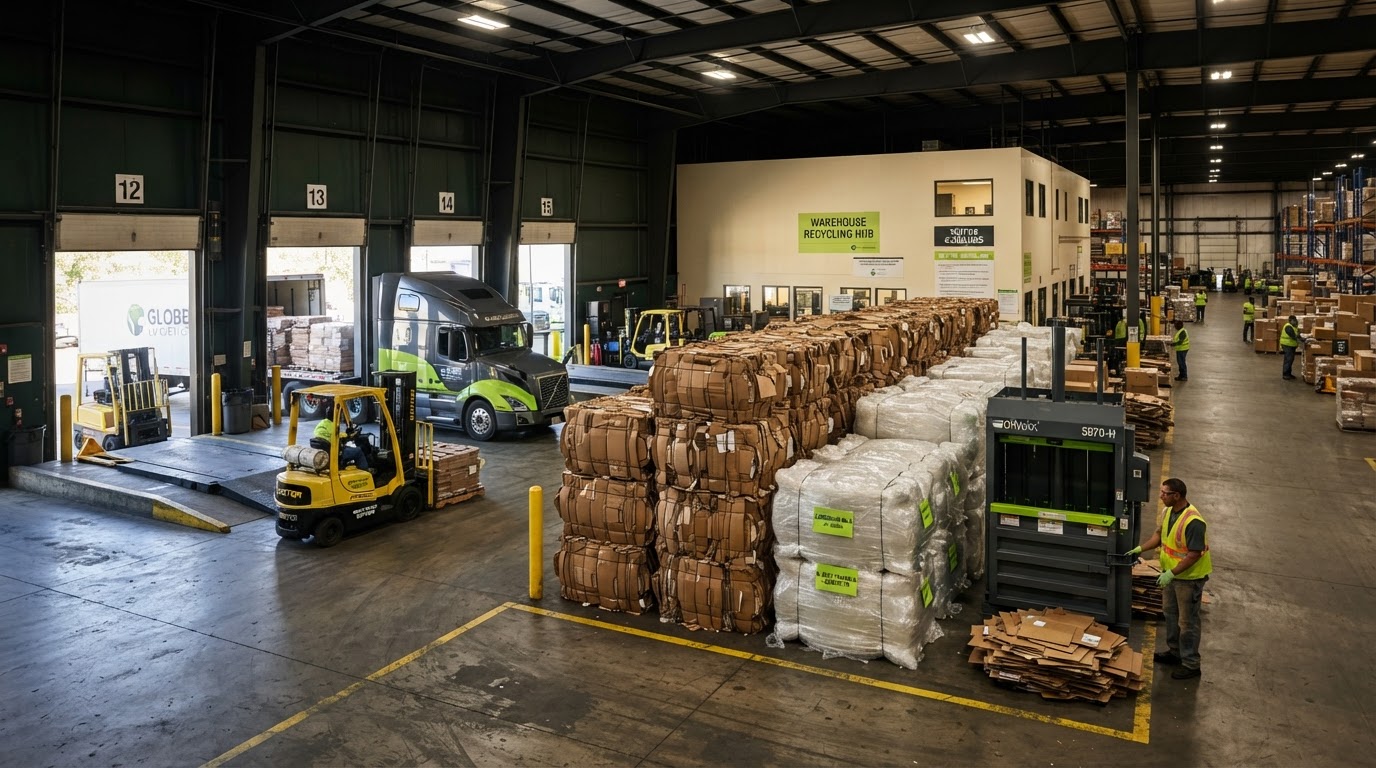
Manufacturing facilities are among the highest-volume waste generators in any commercial sector. Between incoming packaging, production scrap, pallets, and outbound materials, a single plant can produce tons of recyclable material every week. Without a system, that material becomes a cost. With one, it becomes a revenue stream.
RME works with manufacturers to implement baling and recycling systems tailored to their specific material flows. You can see the full range of sectors we serve we serve, but manufacturing deserves special attention because of its volume and complexity.
Common Manufacturing Materials
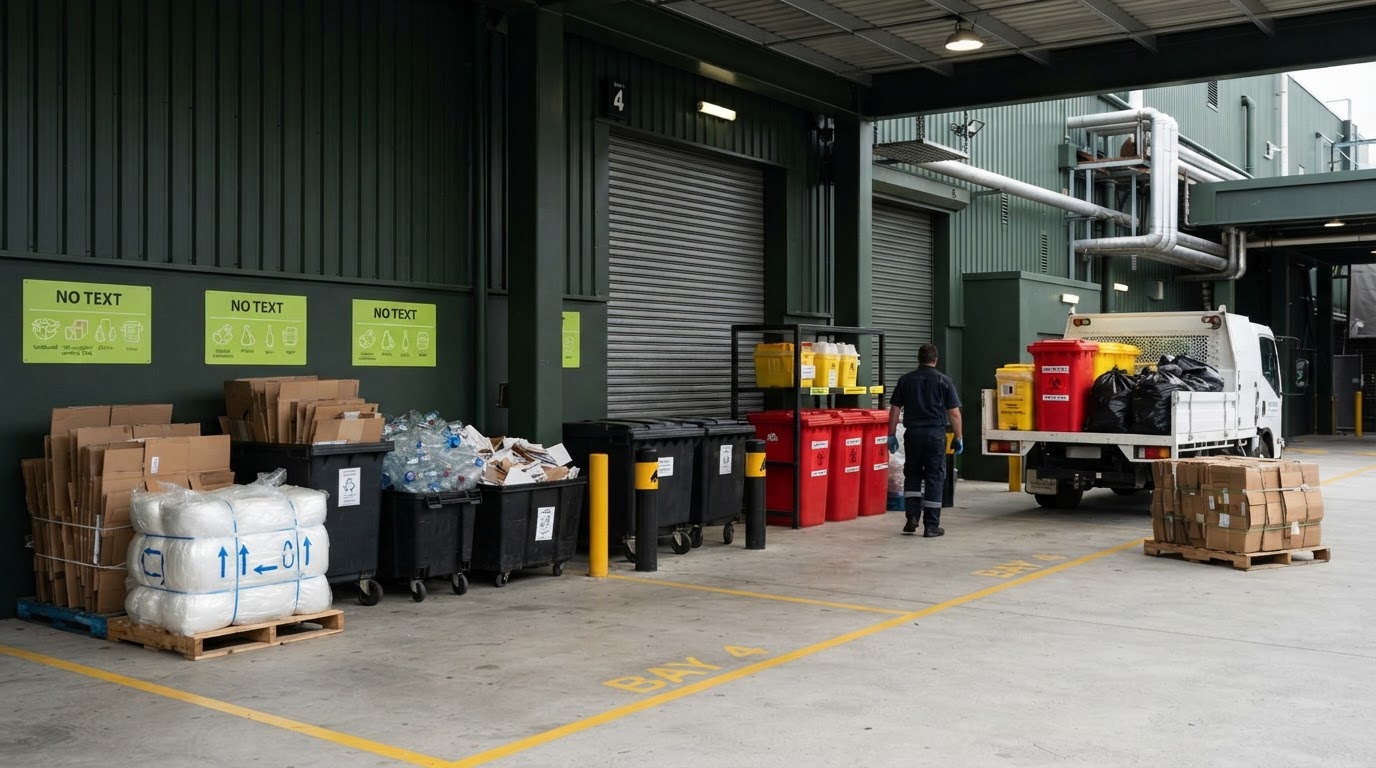
Manufacturing waste typically includes cardboard from inbound shipments, stretch wrap and plastic film from pallets, production scrap (plastic, metal, aluminum), wood pallets, and paper. Each of these materials can be baled or otherwise recovered rather than landfilled. Check our materials we recycle page for the complete list.
The Baler Advantage for Manufacturers
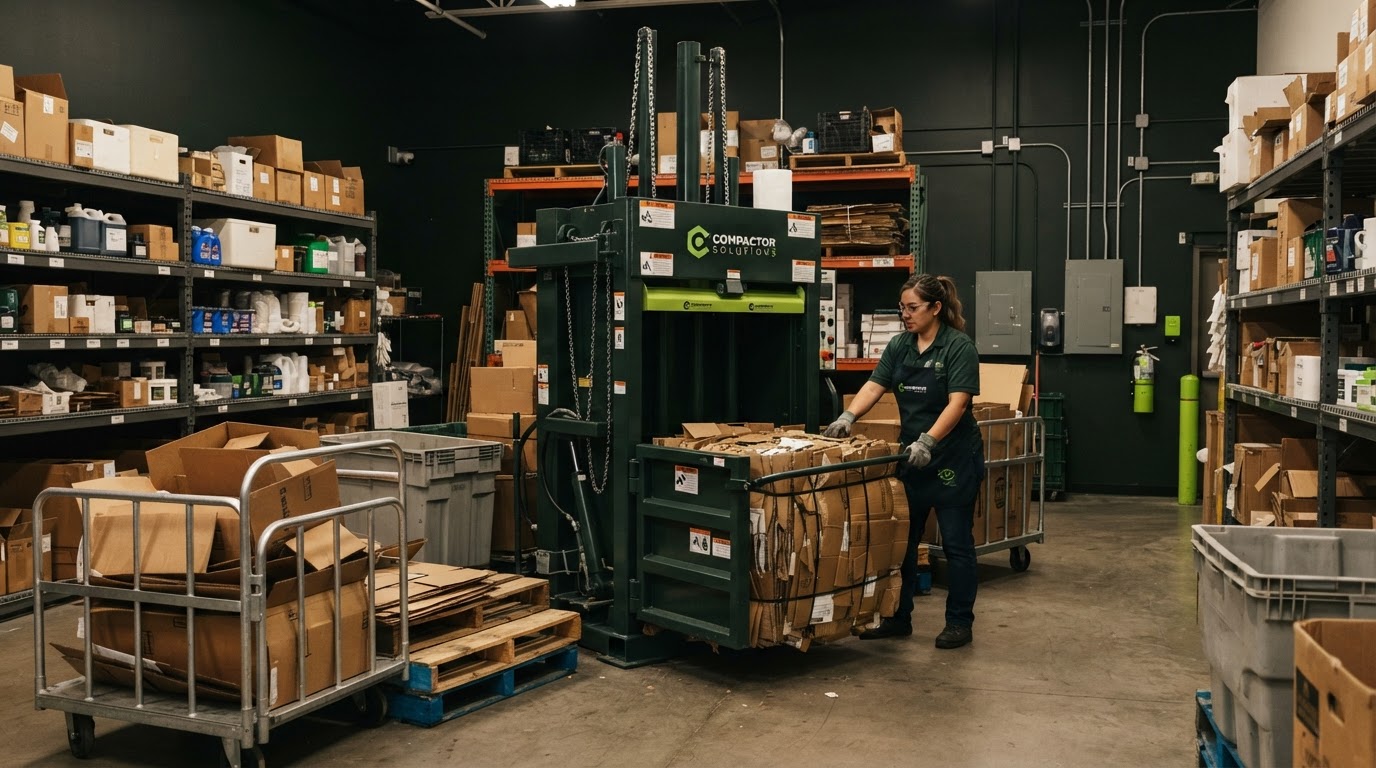
Manufacturers benefit from baling more than almost any other sector because of sheer volume. A plant generating 20 tons of cardboard monthly might be paying for daily dumpster pickups. Baling that same material reduces pickups to a few on-demand hauls per month, and the baled cardboard generates rebate revenue.
The Manufacturing.net resource hub regularly covers sustainability and waste reduction trends in industrial operations.
Building the Right System
RME's process starts with a waste assessment, we review your material types, volumes, current costs, and pickup schedule, then recommend the right baler, pickup plan, and reporting structure. High-volume plants may need horizontal balers; smaller operations can often use vertical balers. See how our system works for the full process.
If your plant is spending $1,000+ monthly on waste, schedule a free onsite assessment to see what a baling system could save.