Reduce Your Carbon Footprint with Commercial Recycling
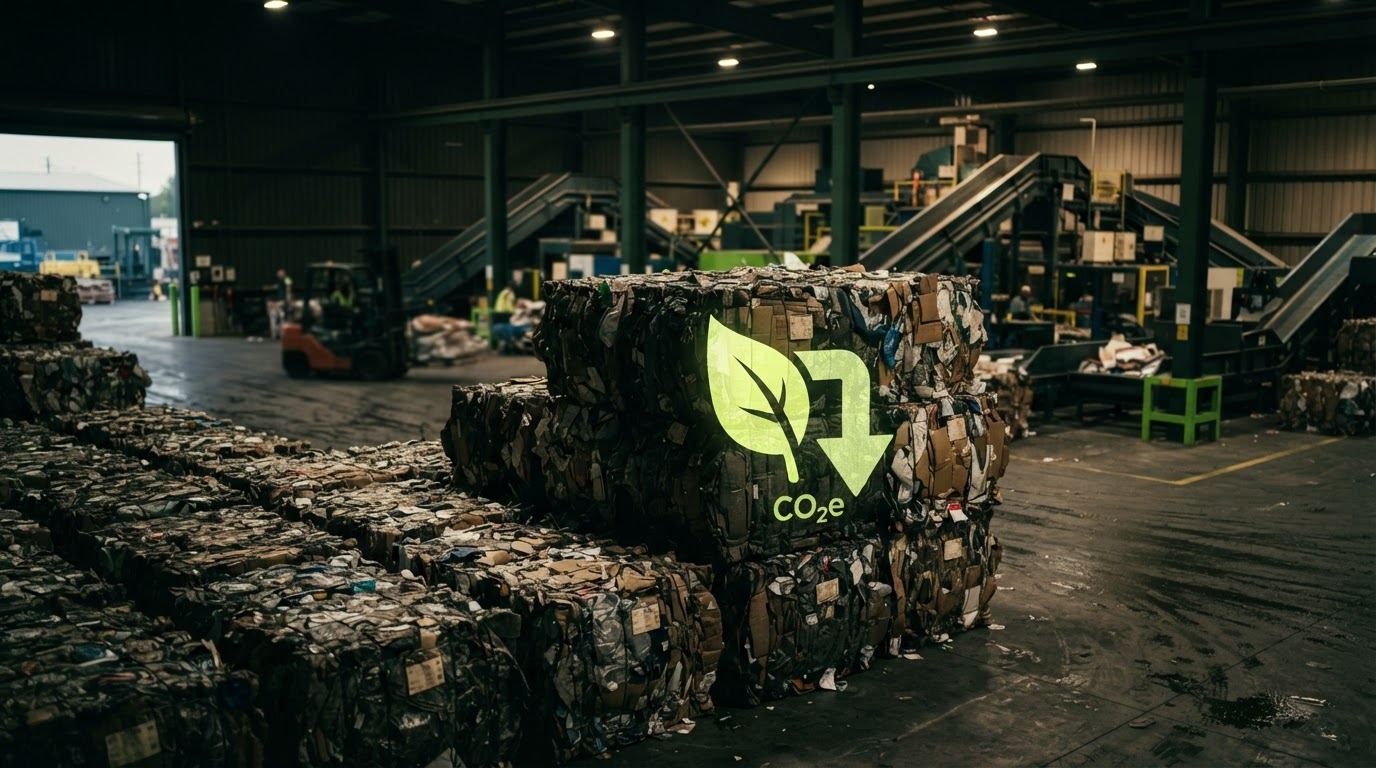
Commercial recycling isn't just about cost savings, it's a meaningful climate action. Every ton of material recycled rather than landfilled avoids both the emissions of virgin material production and the methane emissions that organic waste generates in landfills. For businesses with carbon reduction goals, baling is a tangible, measurable strategy.
The Emissions Math
Recycling reduces emissions in two ways. First, manufacturing products from recycled material typically requires far less energy than producing from virgin materials, recycled aluminum, for example, uses 95% less energy. Second, diverting material from landfill avoids methane emissions, a potent greenhouse gas. See materials we recycle for what you can divert.
The EPA Sustainable Materials Management program documents the emissions benefits of material recovery and recycling.
Measurable Impact
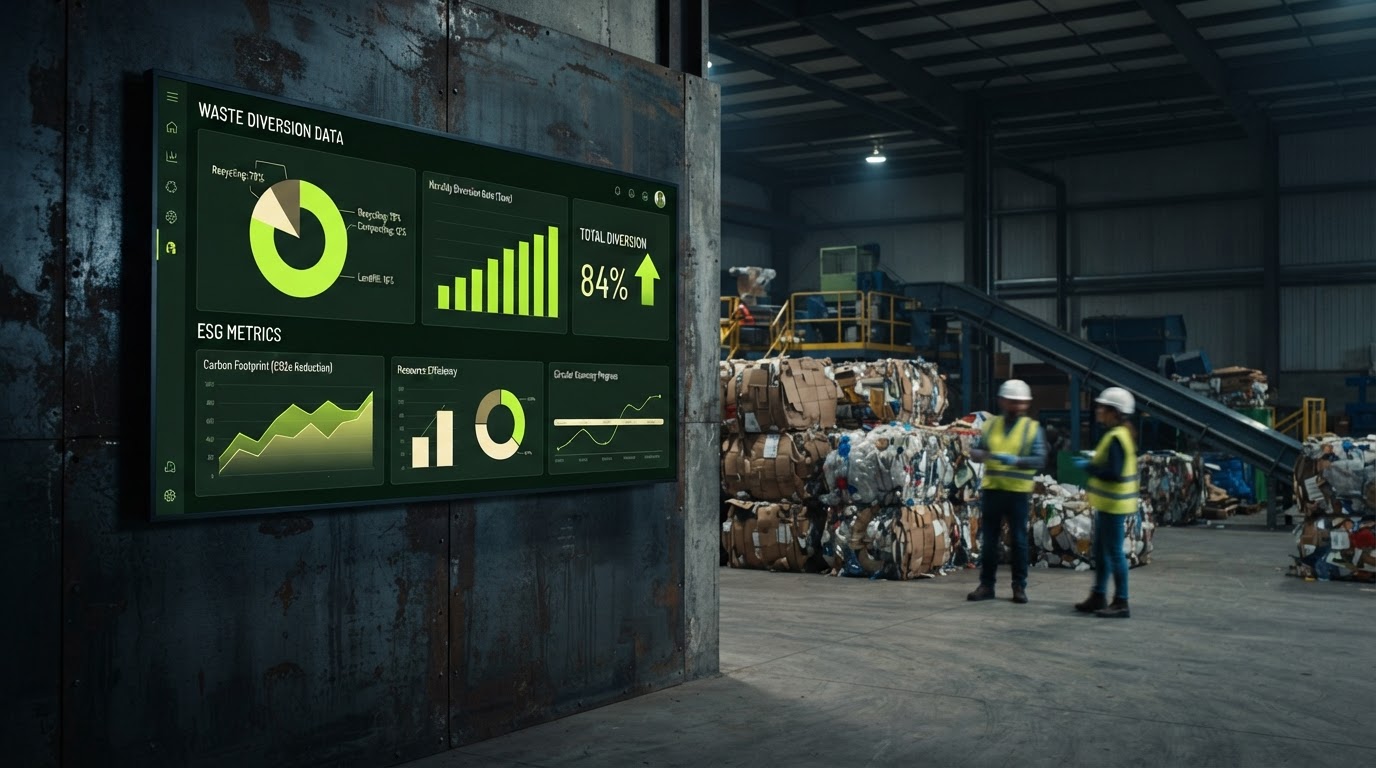
RME's tracking gives you the data to quantify your carbon impact. When you know how many tons of cardboard, plastic, and aluminum you've diverted, you can calculate the avoided emissions using standard conversion factors. This data supports carbon accounting, ESG reporting, and sustainability claims with real numbers. See how our system works for how data fits in.
Fewer Pickups, Fewer Emissions
Baling also reduces emissions indirectly by cutting pickup frequency. Fewer truck trips mean less fuel consumption and lower transportation emissions. A business that drops from weekly to monthly pickups eliminates significant truck miles annually. Our success stories show the pickup reductions businesses achieved.
Supporting Corporate Climate Goals
Many businesses have formal carbon reduction commitments. Waste diversion through baling is one of the most controllable, measurable levers available, unlike many emissions sources, you can track it precisely and improve it systematically.
Want to measure your recycling's carbon impact? schedule a free onsite assessment and we'll set up tracking.