Waste Management Cost Reduction Strategies
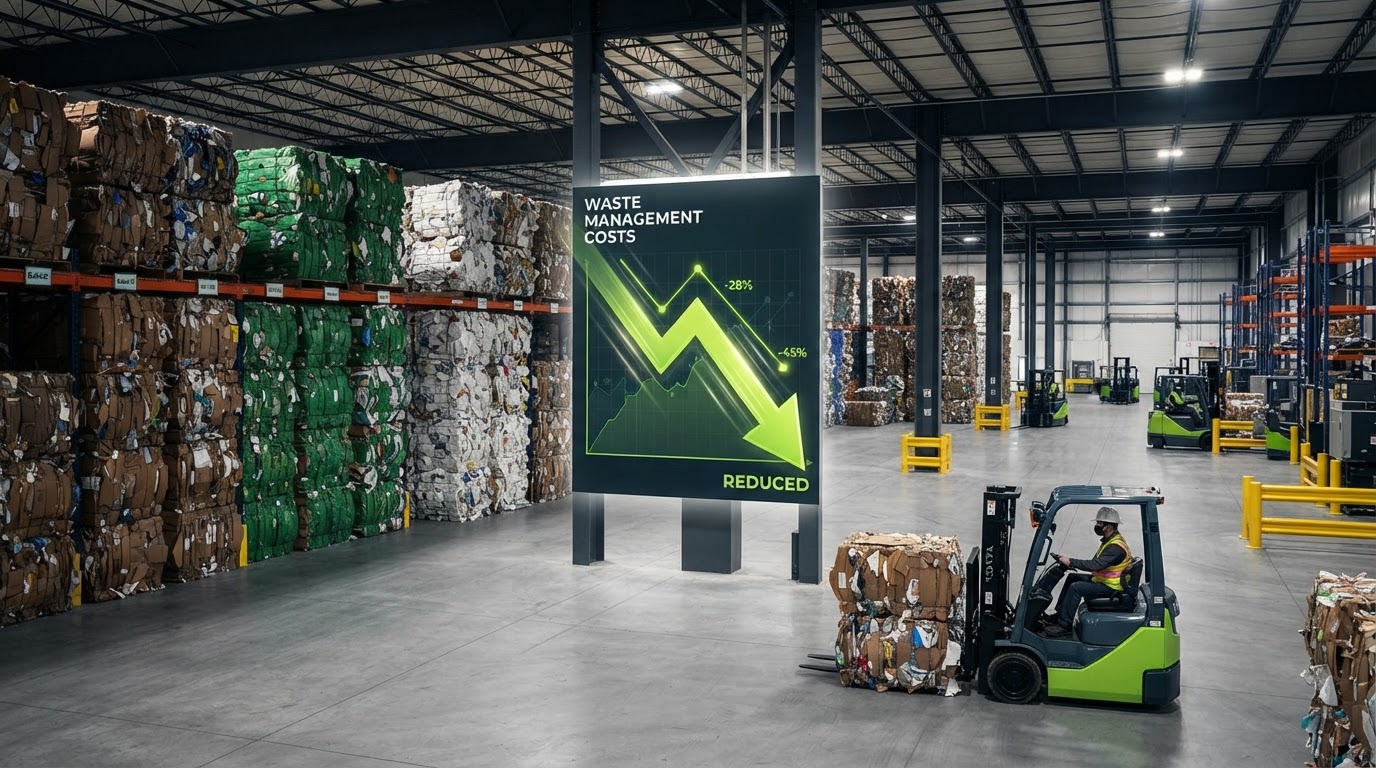
Reducing waste management costs isn't about cutting corners, it's about building a system that eliminates inefficiency. Most businesses overspend on waste not because they're careless, but because their system is built on an outdated model of fixed schedules and loose material. Here are proven strategies for cutting commercial waste expenses.
1. Bale Recyclables at the Source
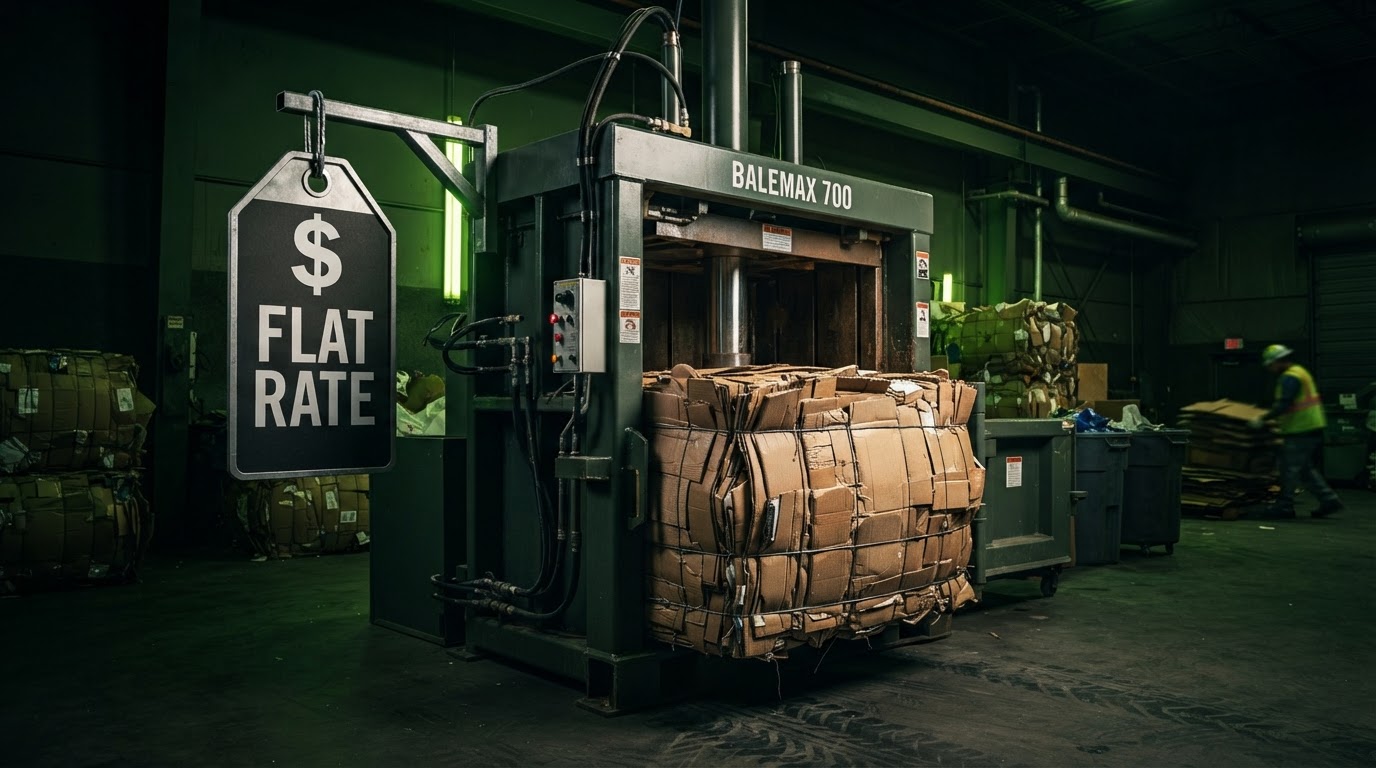
The single most effective cost reduction strategy is baling. Compacting cardboard, plastic, and other recyclables at the source eliminates the volume that drives frequent pickups. See materials we recycle for what can be baled and how our system works for the process.
2. Switch to On-Demand Pickup
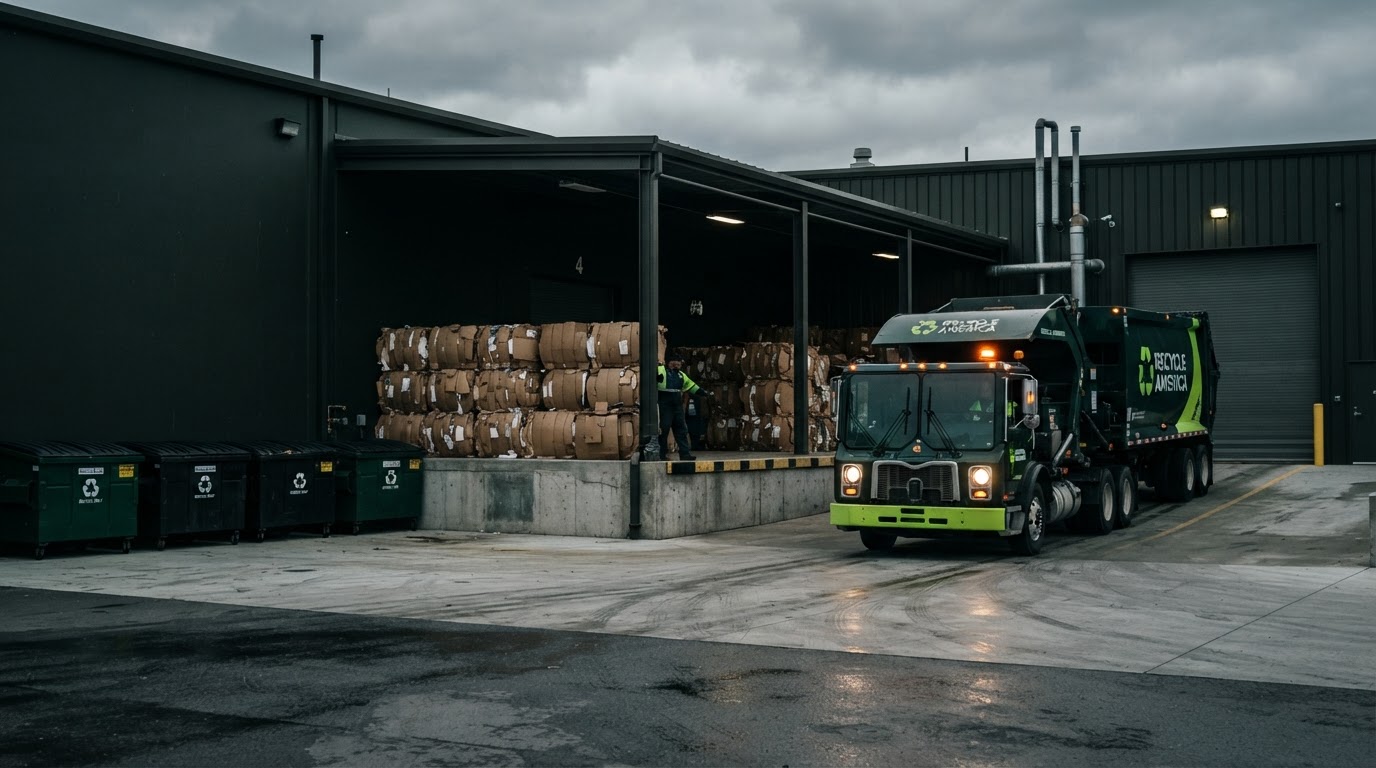
Fixed-schedule pickups waste money. On-demand pickup means you only pay for hauls you actually need. RME pickups are typically scheduled within 72 hours of your request. Our success stories show businesses that cut pickups from weekly to monthly.
3. Eliminate Unnecessary Dumpsters
Many businesses maintain multiple dumpsters out of habit. Baling recyclables removes them from the dumpster stream, often eliminating the need for separate recycling containers. See our success stories for businesses that reduced dumpster count.
4. Capture Rebate Revenue
Baled recyclables have commodity value. Rebates turn your waste from a cost into a revenue source, offsetting or exceeding service costs. This is a core part of the RME bundle.
5. Track Your Data
You can't reduce what you don't measure. Waste data tracking reveals where your costs go and proves your savings. See how our system works for how data fits in.
The EPA Sustainable Materials Management framework supports systematic waste reduction.
Ready to build a cost-reduction system? schedule a free onsite assessment and we'll map it out.