What Is a Waste Diversion Rate and Why It Matters
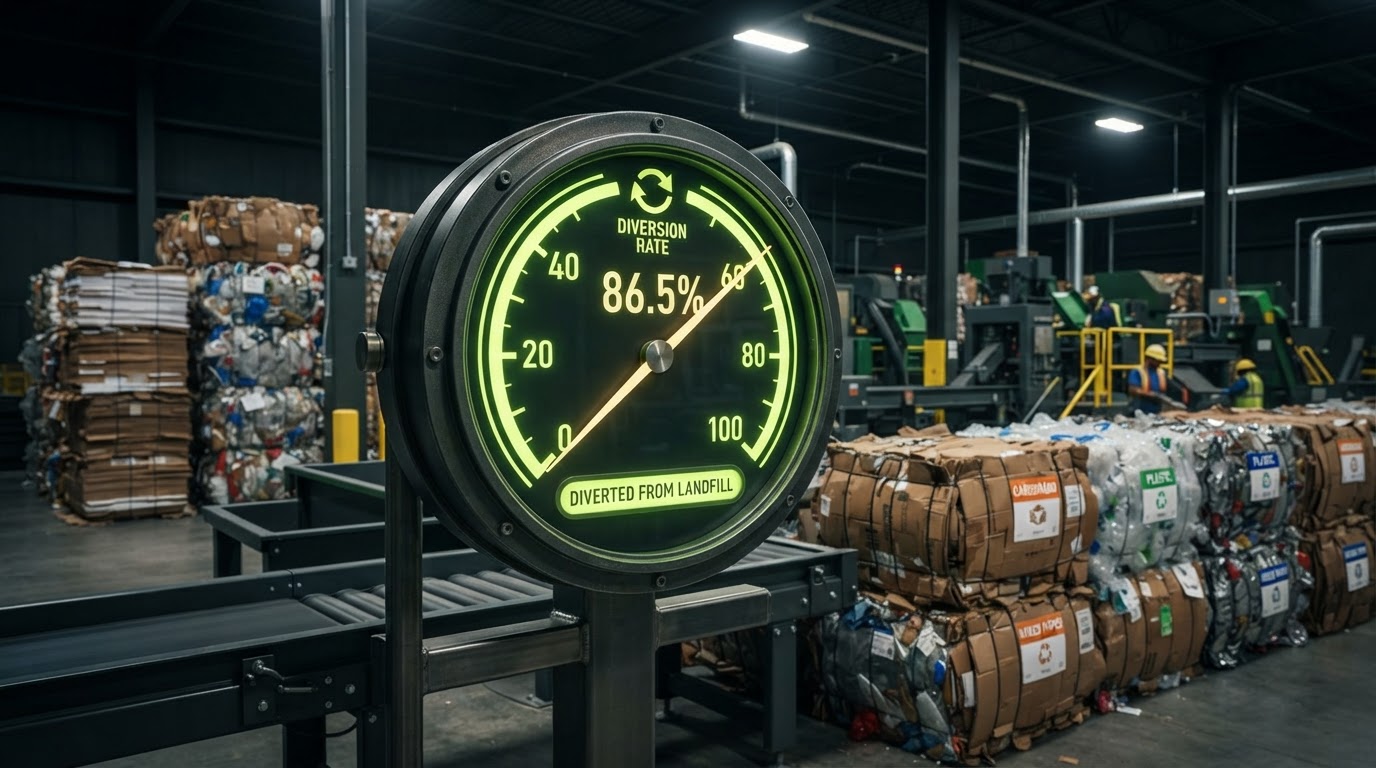
Waste diversion rate is the percentage of your total waste stream that gets recycled or recovered rather than sent to landfill. It's the single most important metric for understanding your recycling performance, and yet most businesses don't track it because traditional waste haulers don't provide the data.
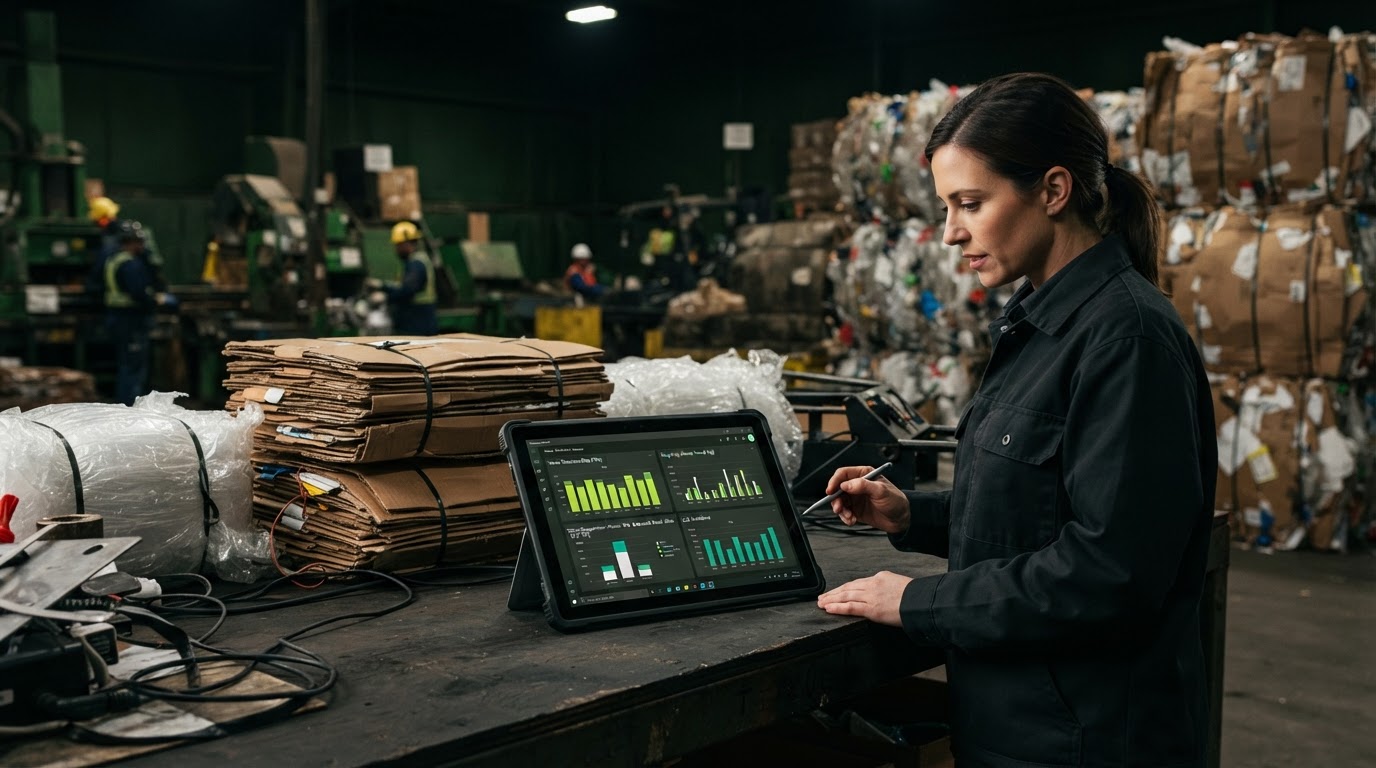
RME's reporting includes diversion rate calculations based on actual bale weights and pickup data. This gives you a real, defensible number rather than an estimate. Learn how data fits into our process at how our system works.
How Diversion Rate Is Calculated
The formula is straightforward: diverted material (recycled) divided by total waste generated (recycled plus landfilled), expressed as a percentage. If your business generates 10 tons of waste monthly and recycles 6 tons, your diversion rate is 60%. The challenge is getting accurate weights, which is where baling and tracking come in.
The EPA's materials management facts and figures provide national diversion benchmarks that help contextualize your performance.
Why Diversion Rate Matters
Diversion rate matters for three reasons. First, it proves cost savings, higher diversion means less landfill waste and lower disposal costs. Second, it supports sustainability reporting and certifications. Third, it identifies improvement opportunities, if your diversion rate is low, you're likely throwing away recyclable material.
Improving Your Diversion Rate
The fastest way to improve diversion is baling. When you compact recyclables at the source, you capture material that would otherwise leak into the general waste stream. Our success stories show how businesses improved diversion while cutting costs. See materials we recycle for what can be diverted.
Want to know your real diversion rate? schedule a free onsite assessment and we'll measure it.