Working Toward Zero Waste to Landfill
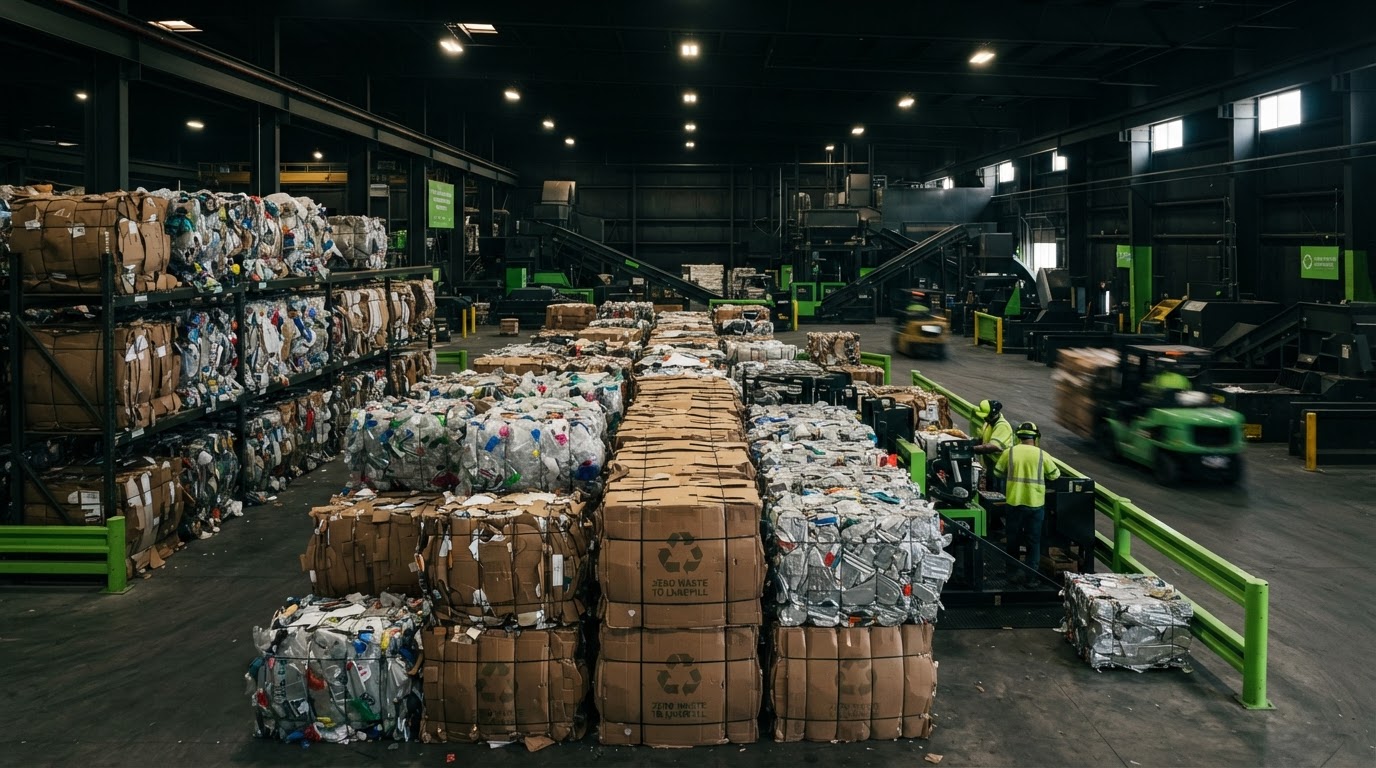
Zero waste to landfill is a growing goal for businesses with serious sustainability commitments. While true zero waste is challenging, systematic baling and recycling can get businesses measurably closer, diverting the majority of recyclable material from landfill and providing the data to prove it.
What Zero Waste to Landfill Means
The goal is to divert all waste from landfill through recycling, recovery, or reuse. In practice, most businesses can't achieve literal zero, some materials are genuinely non-recyclable. But diverting 70%, 80%, or 90% of waste is achievable for many operations, and that's a meaningful environmental and reputational achievement.
How Baling Advances the Goal
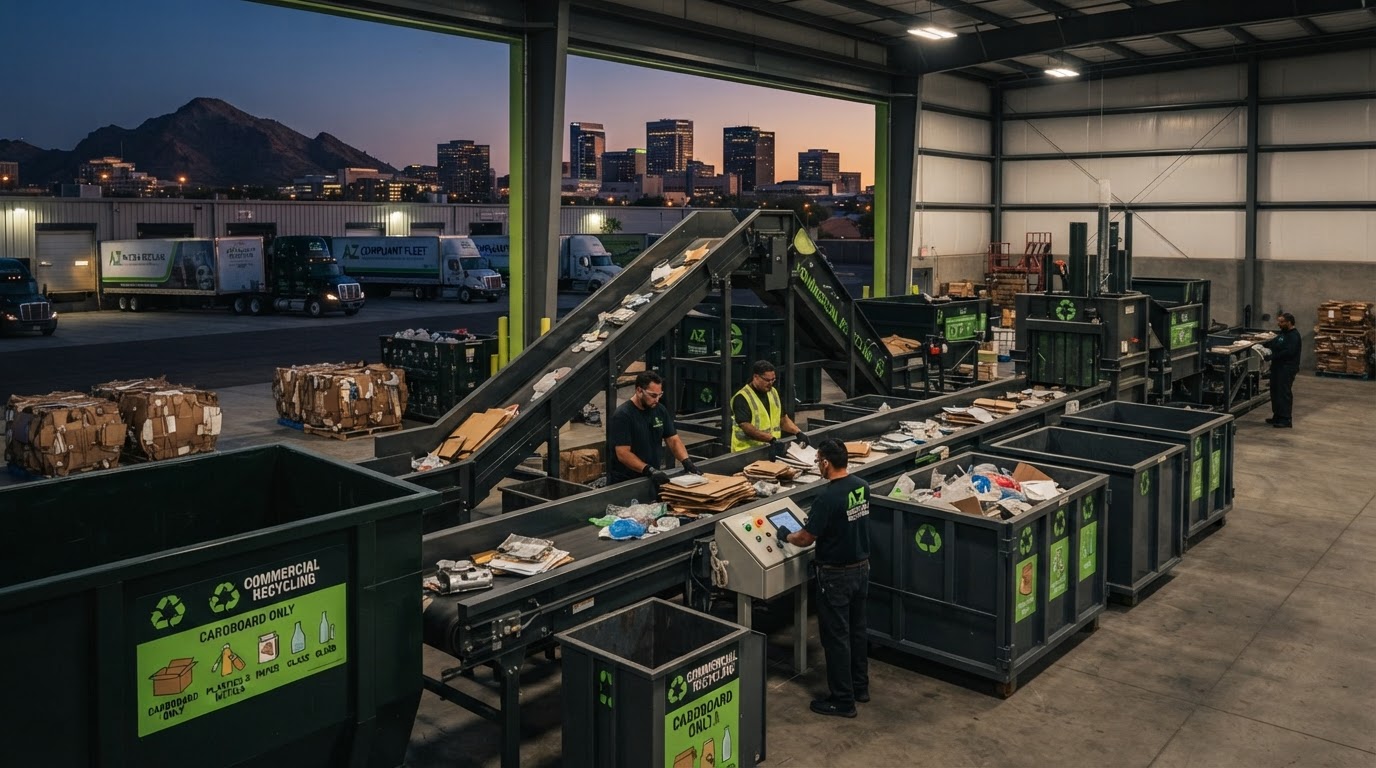
Baling is the foundation of high diversion rates. By compacting recyclables at the source, you capture material that would otherwise leak into the general waste stream. Cardboard, plastic, aluminum, and paper, the materials that make up the bulk of most commercial waste, all become baled, recovered commodities rather than landfill fodder. See materials we recycle for what can be diverted.
The EPA materials management data shows that the majority of commercial waste is divertible with the right systems.
Measuring Progress
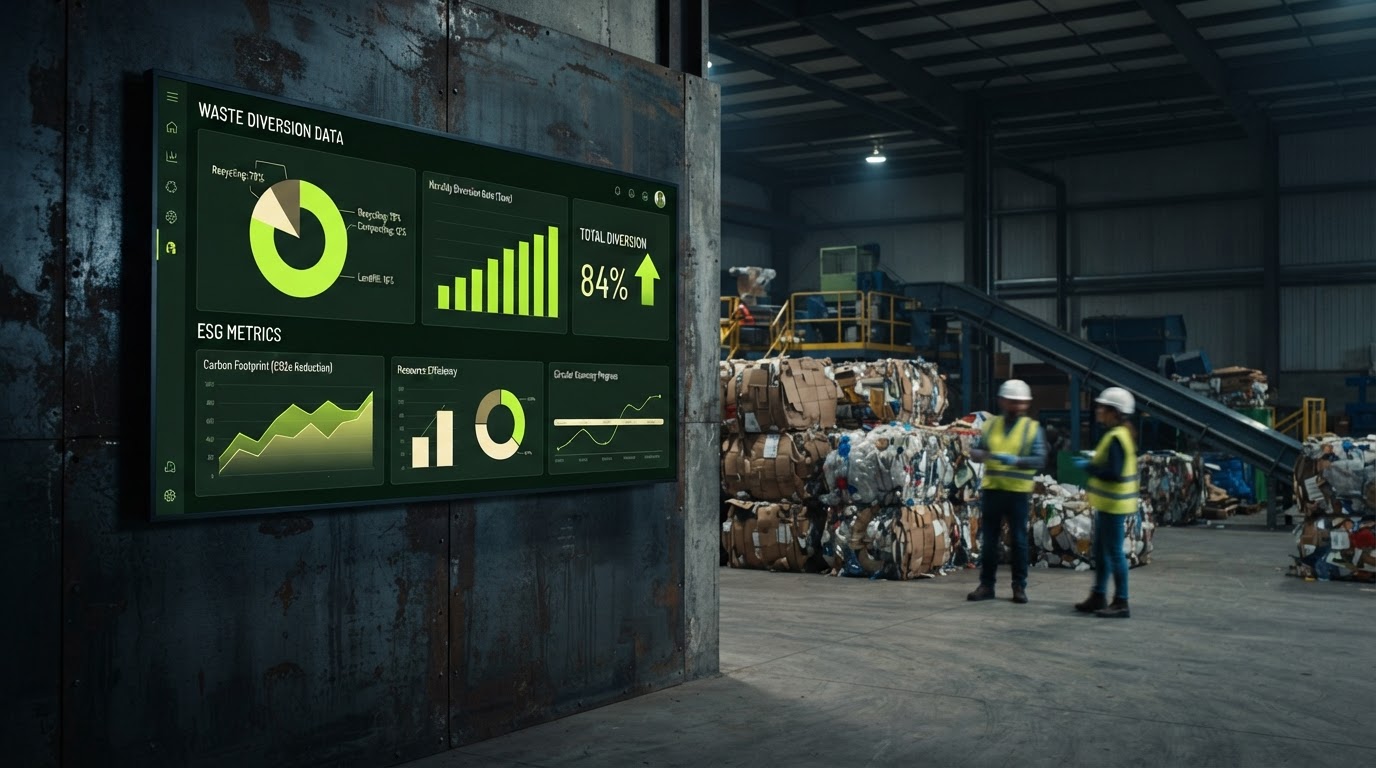
Zero waste goals require measurement. RME's tracking provides the diversion rate data that proves progress, bale weights, material types, and cumulative diversion totals. This data supports zero waste certifications and sustainability claims. See how our system works for how data fits in.
The Remaining Fraction
After baling recyclables, the remaining waste is typically true non-recyclable material. Reducing this fraction requires source reduction, buying less packaging, choosing recyclable materials, and redesigning processes. RME's data helps identify where this remaining waste comes from, informing reduction strategies. See our success stories for diversion achievements.
Want to advance toward zero waste? schedule a free onsite assessment and we'll measure your starting point.