Why Baling Your Recycling Materials Changes Everything
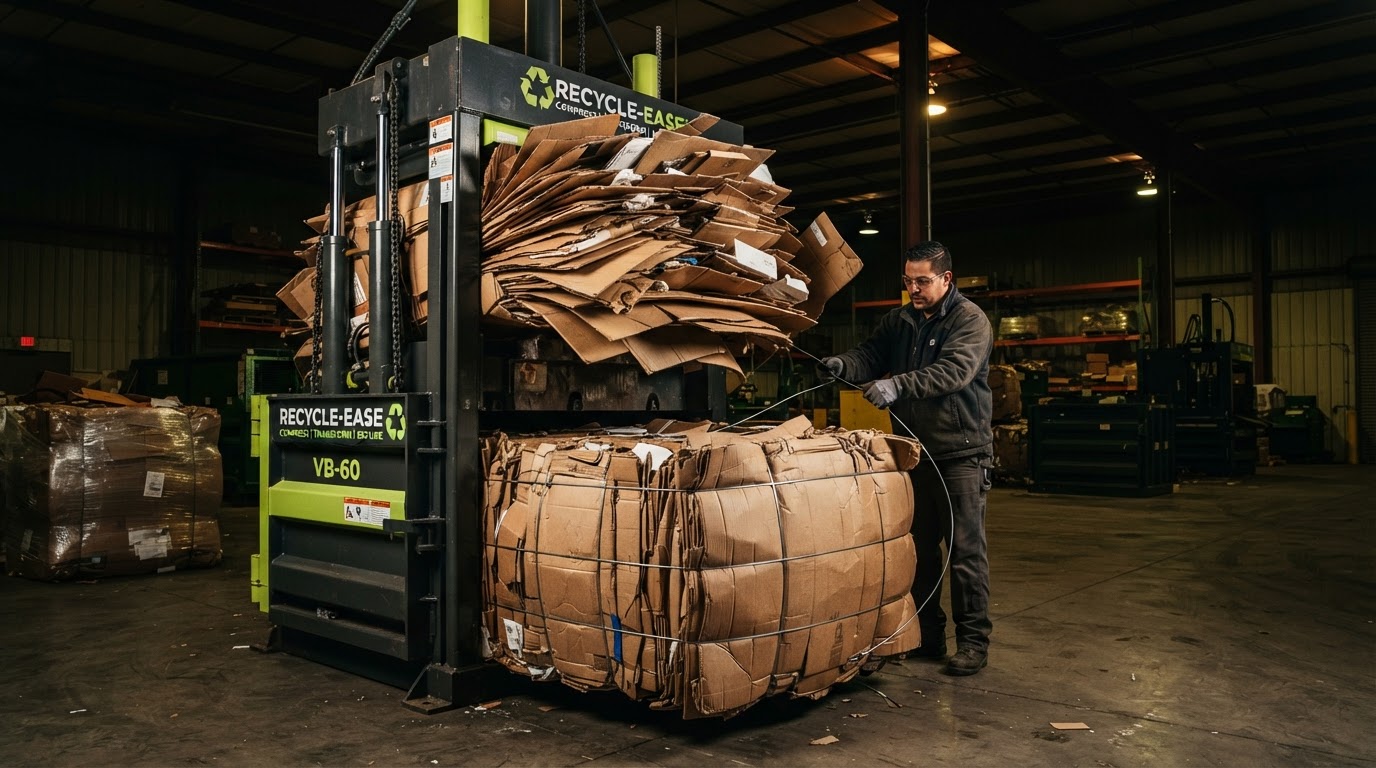
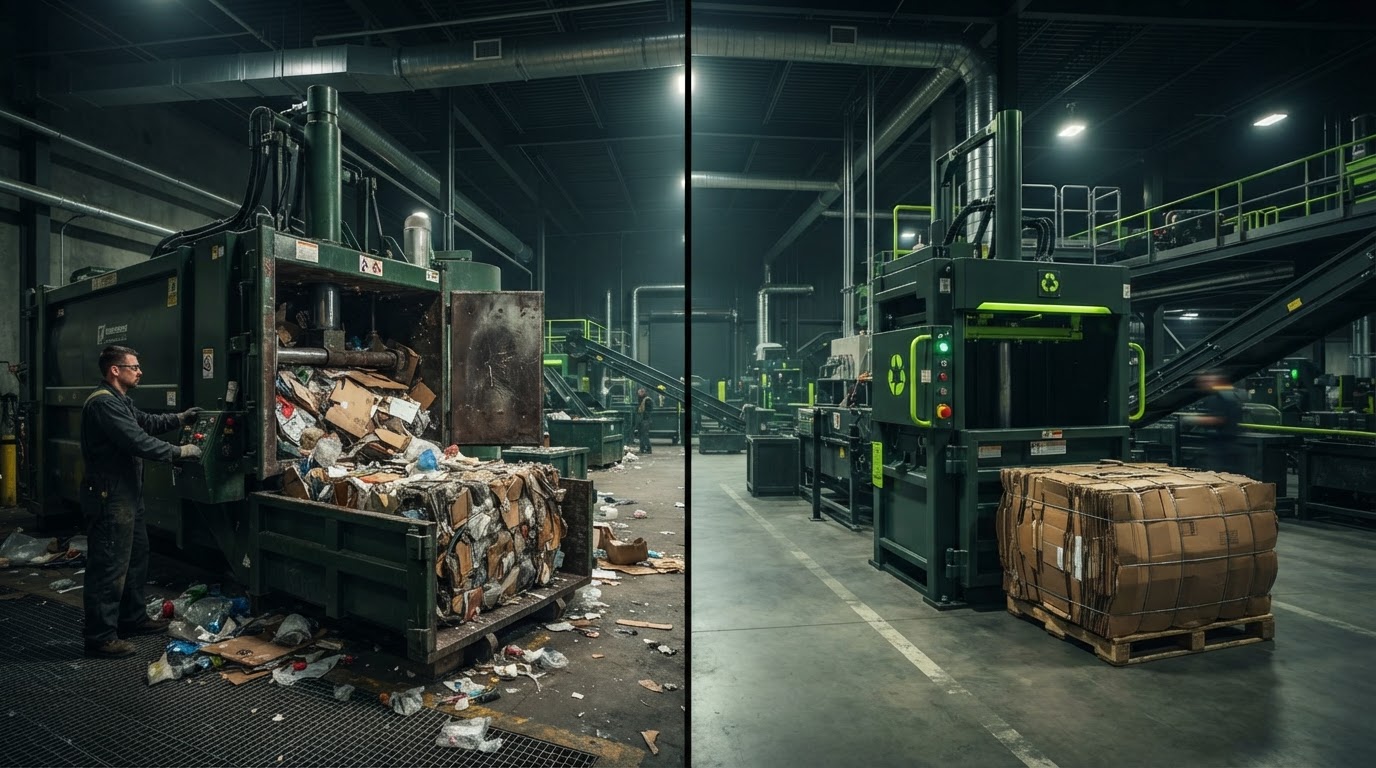
Here's a truth most waste haulers won't tell you: when you throw loose cardboard into a dumpster, you're mostly paying to haul air. Loose recyclables take up enormous volume relative to their actual weight. A dumpster that looks full might contain a fraction of the material you think it does.
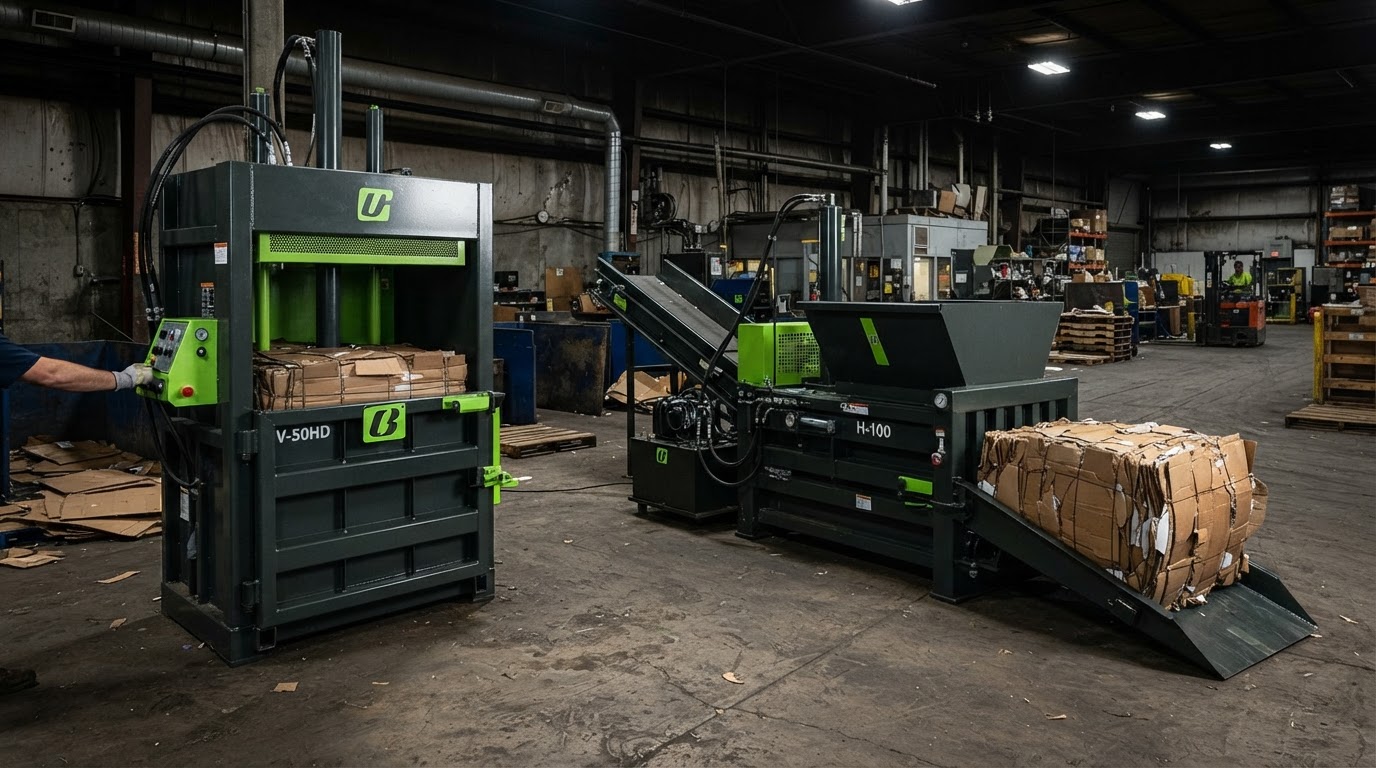
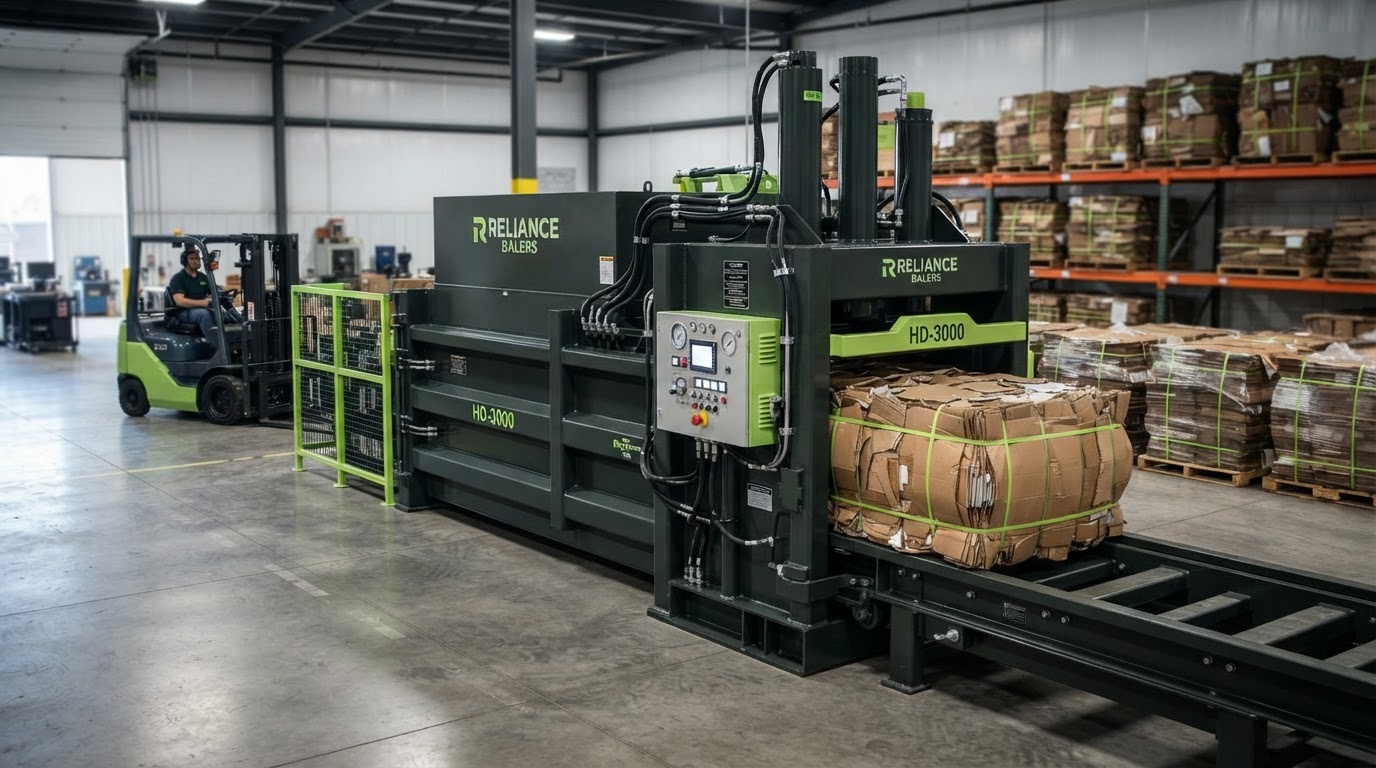
Baling changes the math entirely. When you compact cardboard, plastic film, or aluminum at the source, you remove the air and create dense, stackable bales. The same material that once filled three pickups now fits into a single on-demand haul. That's why how our system works starts with a baler, not a pickup schedule.
The Volume Problem
According to the U.S. EPA, paper and paperboard materials make up the largest portion of municipal solid waste generated in the United States. For businesses, cardboard alone can dominate a waste stream. Compacting it at the source is the single fastest way to reduce hauling frequency.
What You Can Bale
RME helps businesses bale a wide range of materials, including cardboard, shrink wrap, plastic film, manufacturing plastics, paper, aluminum, and metal. You can see the full list of materials we recycle on our materials page. The key is that baling works for nearly every commercial recyclable, not just cardboard.
From Waste to Revenue
Baled material isn't just cheaper to haul, it's often worth money. Clean, compacted bales of cardboard or plastic have real market value, and RME passes that value back to you through rebates. Instead of paying to throw away recyclables, you can generate revenue from them.
Ready to see what baling could do for your operation? schedule a free onsite assessment and we'll evaluate your current waste stream.